
Workplace Culture in the Canadian Construction and Extractive Industries
This post is part two of a two part series in which I share some of my dissertation[1] research. The first part How Do Workers View Mental Health Risks in the Workplace takes a look at demographics and their role as predictors of perceived psychosocial risk.
In this post, I’m going to share some of the findings related to unwanted behaviour such as sexual attention and bullying. But first, I want to explain a bit about my connection to the CEIs. These industries have a long history of being tough places to work. I know this first hand. I worked as a roughneck in the early 1990’s and have been working in the CEIs ever since. The culture I learned was full of bravado, pride for the work, and for the strength it took to be productive in an environment where everything seemed to be working against you. It taught me to be perseverant and how to stand up for myself. I owe a lot to the industry.
I’ve seen a great deal of change over the past 30 years, but much has stayed the same as well. The industry is still predominantly male, macho, and intolerant to those who can’t fit in. And, it’s not just in Canada. The industry has a culture that persists globally with the same traits and characteristics. Through my recent research, I heard from workers about their experiences and I have to say, it wasn’t good. It made me sad, actually, to hear how an industry that I love has gotten so complacent about protecting their people.
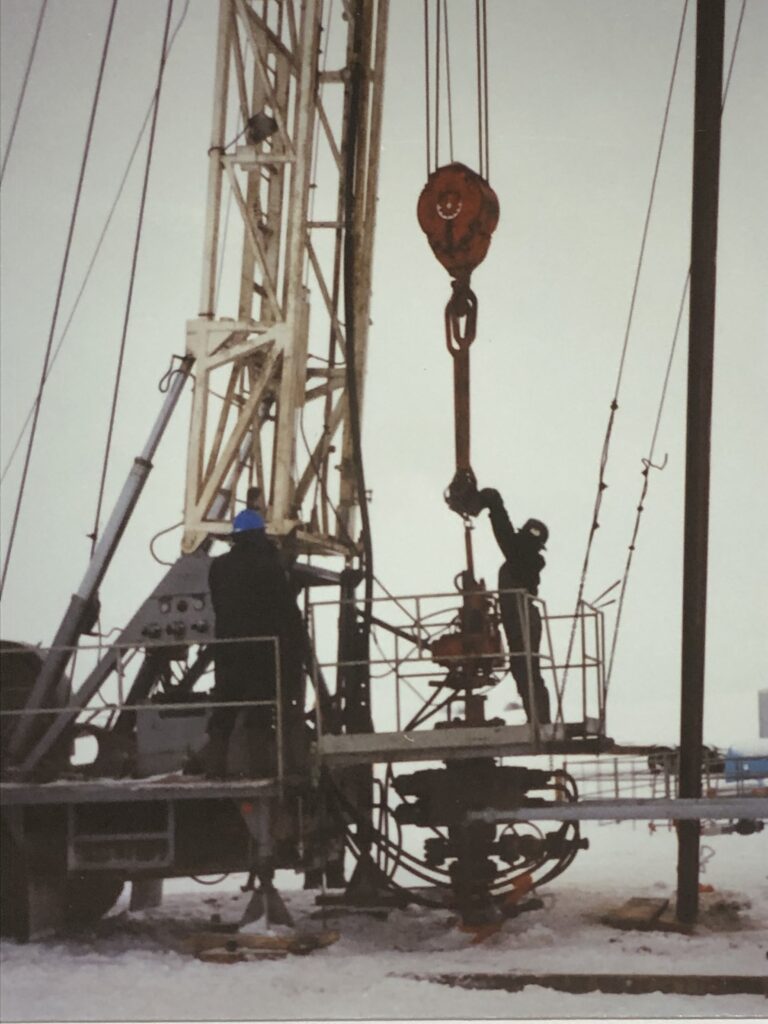
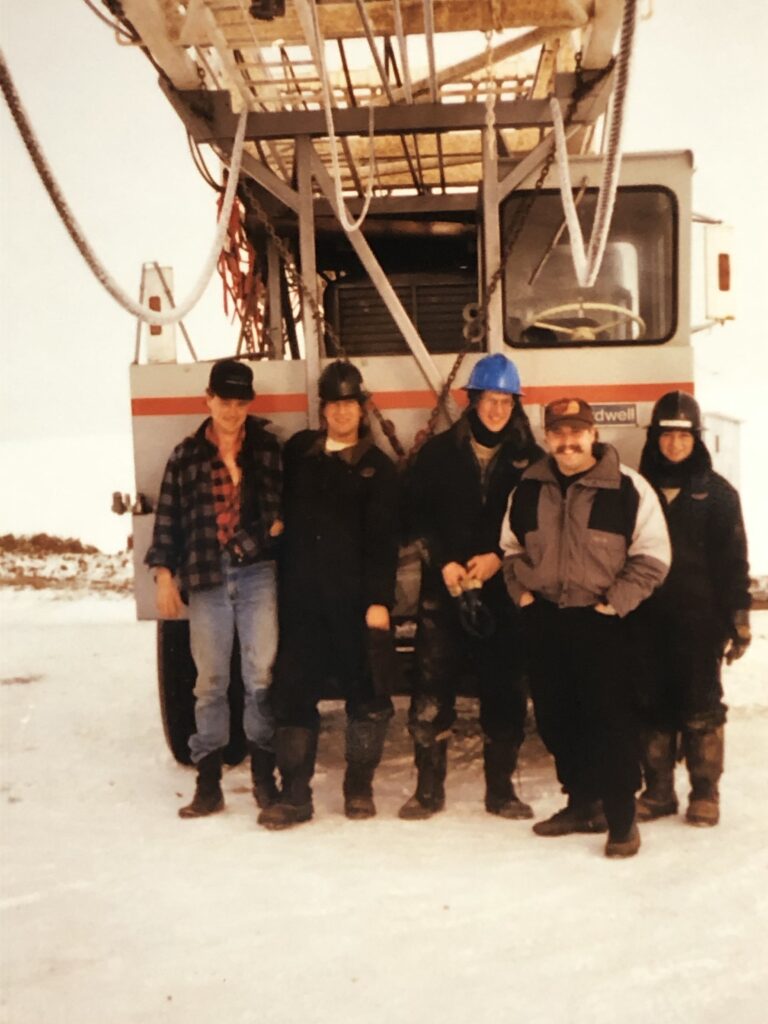

Here’s a few pictures from the early days and if you’re interested, you can read more about my story.
Why does my experience matter?
One of the comments made to me during my research was a request to, “stay out of the trades dear, please leave us alone.” This person assumed that I was an outsider, coming to poke into something I knew nothing about. I understand how that feels, and I want to make it clear that I am part of this industry. Having experience on the tools, in supervision, leadership, and management, I’ve got a deep understanding of the CEIs. That experience is backed by 10 years of academic research. So no, I’m not going to leave us alone because I care about us.
Study Information
Data was collected from 249 participants using an online survey. Participants were required to be actively or recently working in the Canadian construction or extractive industries, 18 years or older and have site-based work as part of their job requirement. A total of 174 records were completed in full and used for the analysis. A brief breakdown of demographics:
- Gender: female (36%); male (64%)
- Age: 18-30 (6%); 31-45 (49%); over 45 (45%)
- Employer: project owner (50%); prime contractor (20%); subcontractor (30%)
In addition to the analysis on workers’ views of psychosocial risks, I collected data about their exposure to unwanted behaviours and their self-assessed health. This post focuses on unwanted behaviours as part of organizational and industry culture.
What Did We Learn About Culture in the Canadian CEIs?
Those I spoke with described the environment as embracing a stereotypical male attitude that overemphasizes dominance, aggression, emotional suppression, and typically feminine qualities. Some were optimistic that change is underway with old-school mentalities slowly aging out of the industry while many others described increasing prevalence of bullying across all levels of leadership.
Unwanted Sexual Attention
Unwanted sexual attention was reported to have occurred at least a few times over the past year by 44% of female workers and 4% of male workers (18% of the sample population). It affected workers of all age groups, but was most often experienced by workers 18-30 years of age (46%), those 31-45 years (21%), followed by workers over 45 (11%). Those who experienced it indicated it happened “a few times” (75%), monthly (4%), weekly (18%), and daily (4%).
Who you work for played an important role in issues of unwanted sexual attention and it was reported most often by employees of prime contractors (40%), owners (27%), and subcontractors (5%). When asked about their experience with unwanted sexual attention aimed at others, the numbers climbed. Nearly 75% of workers said they were aware of such behaviour. Colleagues, supervisors, managers, subordinates, and clients/customers were all cited as being the source of such behaviour.
Bullying
As the most prevalent undesired behaviour, bullying was experienced by 40% of those surveyed (51% women; 33% men). It was experienced similarly across different age groups and accommodation types, but differently based on who you worked for. Owners (71%) had the highest prevalence, followed by prime contractors (49%), and subcontractors (17%). Again, when looking at observations of bullying, the numbers increased. Overall, 51% of workers observed bullying towards others. Within the employer groups, observations were slightly higher for employees of owners (77%) and markedly higher for employees of prime contractors (71%). Bullying was said to come from colleagues (20%), managers (16%), and supervisors (11%), primarily.
Summary
What this information tells us is that there are widespread cultural problems within the CEIs. That in itself isn’t new. Researchers have published many, many papers on culture within these industries. My goal in this post isn’t to offer solutions, it’s to prompt discussion. With that in mind, I think it does give us a few things to think about:
- Is the frequency and severity of these unwanted behaviours something that we are “OK” with?
- Should we be concerned that such a large percentage of the workforce is aware of unwanted behaviours, but the behaviour persists?
- How concerned should we be about the role of leadership with regard to unwanted behaviour?
Please share your thoughts in the comments!
[1] McDonnell, M. D. (2024). Examining the Influence of Demographics on Workers’ Experiences of Psychosocial Risk in the Canadian Construction and Extractive Industries (Doctoral dissertation, Walden University).

No responses yet